For the past few months, our development team has been living in the trenches of the AI revolution. We aren’t just using chatbots to write snippets of Python; we are building entire production-grade applications using the latest “agentic” IDEs, software that promises to plan, code, and debug on its own.
We started with Kiro, an AWS-backed tool we adopted during its messy beta phase. Recently, we migrated to Google’s newly released Anti-Gravity platform. After running both side-by-side on real-world government contracts, one thing has become painfully clear: The era of the “lone wolf” programmer is over.
If you are a senior engineer today, your job description has fundamentally changed. You are no longer a writer of code. You are an orchestrator of agents. And like any manager, your success depends entirely on knowing which employee to trust with which task.
The Junior Developer Paradox
If we had to describe the experience of using Kiro in one phrase, it would be “The Junior Developer Paradox.”
Kiro is brilliant. It has a depth of knowledge that no human could memorize, instantly recalling obscure libraries and syntax from across the web. But like a brilliant fresh graduate, it lacks wisdom. It possesses raw intelligence but zero street smarts.
Our team found that Kiro excels at high-level architecture but crumbles at the most basic execution hurdles. In one instance, we watched the agent “spin its wheels” for 30 minutes, attempting to rewrite an entire server architecture. The problem? A simple port conflict. Port 3000 was in use. A human would have just killed the process or changed the number in package.json. Kiro, lacking that instinct, tried to reinvent the wheel.
This forces a shift in how we work. To use Kiro effectively, you must possess elite code-review skills. You have to spot when it’s using a deprecated library simply because that’s what was in its training data 18 months ago. You have to ask, “Why are you messing this up?” and then dive into the documentation yourself to correct it. Kiro turns every Senior Developer into a Technical Project Manager, constantly looking over the shoulder of a very fast, very confident intern.
The Specialist Team
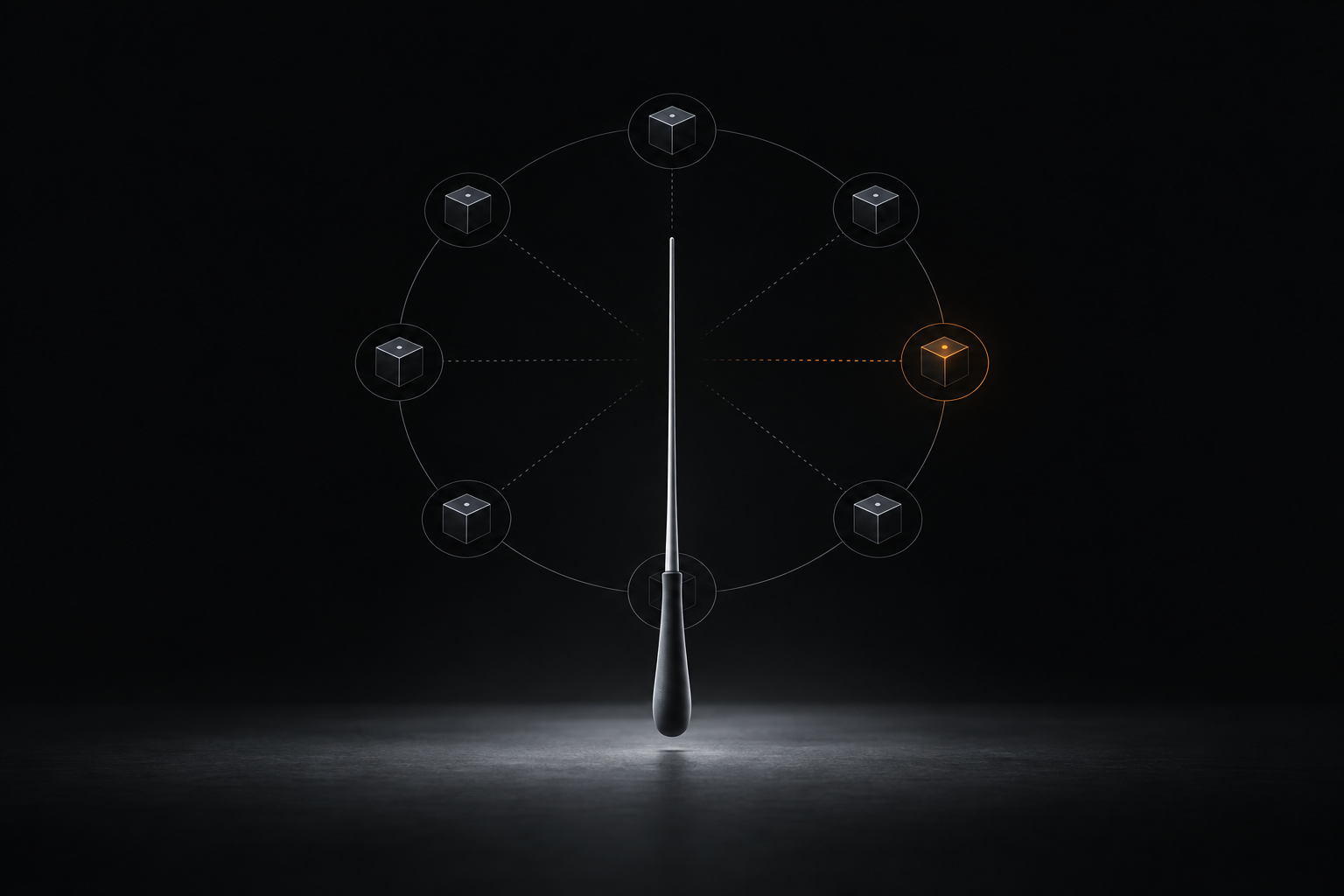
Enter Google Anti-Gravity. If Kiro is the brilliant intern, Anti-Gravity is the diverse, argumentative committee.
Google’s new platform abandons the idea of a single “brain” in favor of model agnosticism. We found that we could treat different Large Language Models (LLMs) like specialists with distinct personalities:
ChatGPT: The Scientific Partner
It is rigorous, logical, and trustworthy for foundational data structures.
Claude: The Creative Hacker
When we need a solution that just works, even if it’s a bit “hacky” or unorthodox, we tag in Claude.
Gemini 3.0: The Researcher
It is incredibly fast at synthesizing new documentation and patching small bugs.
Because these models were trained on different corpuses of data, they fill in each other’s blind spots. If Claude hits a wall, we swap to Gemini, and the roadblock often vanishes. It has turned debugging from a solo struggle into a team sport.
The “Ghost User”
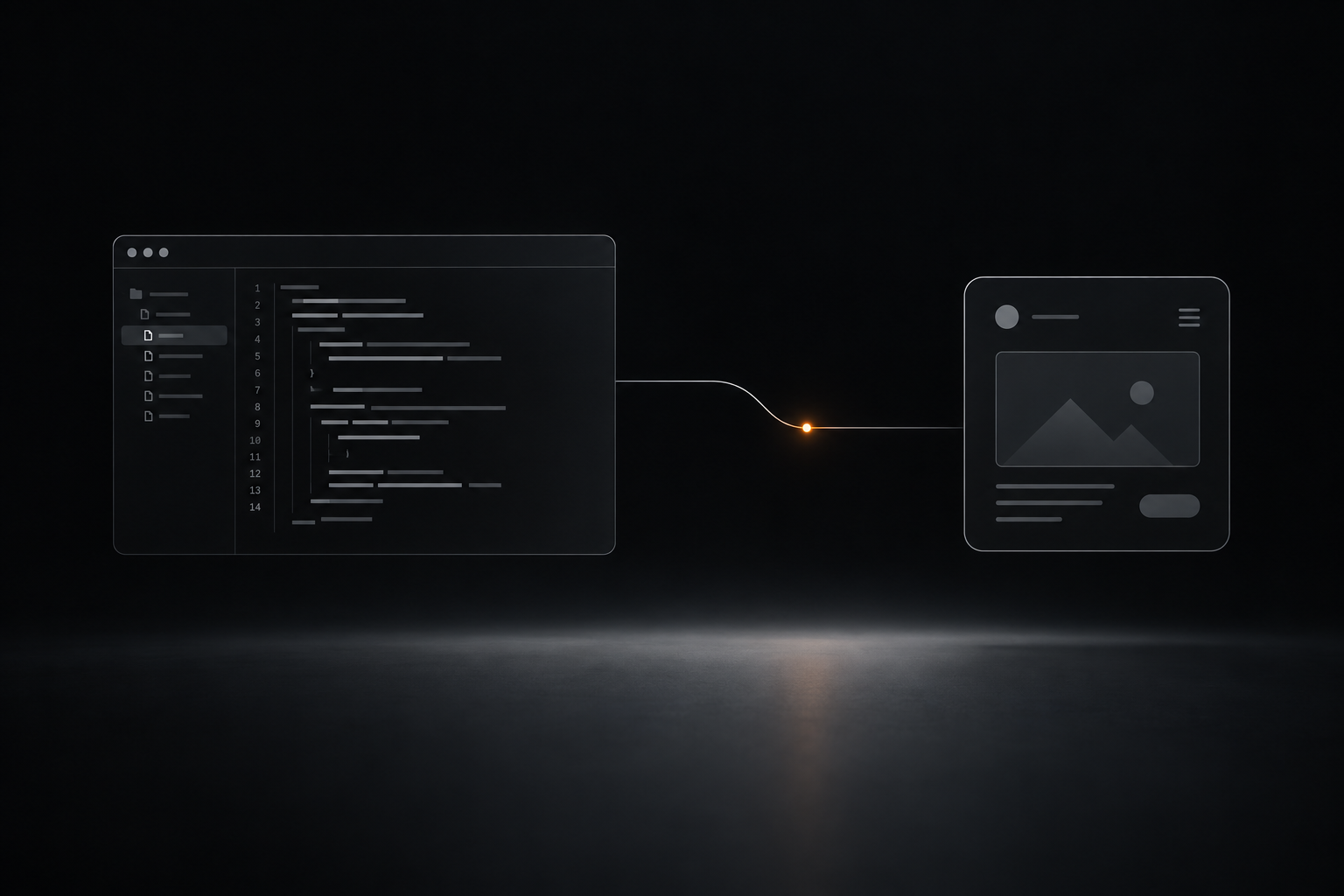
The most significant innovation, however, is visual. Google Anti-Gravity includes a feature we call the “Ghost User,” a built-in browser cursor driven by Gemini 3.0.
In the old days (meaning, last year), testing meant staring at a console log, waiting for red text to appear. Now, we literally watch the AI click through our app. You can see the “ghost” cursor move to a checkout button, click it, type into a form, and trigger an error. You see the code break in real-time alongside the user action that broke it.
It saves hours of manual reproduction. You don’t need to gather a test group; you just ask the agent to “test the checkout flow” and watch it work.
The Human in the Loop
There is a fear that these tools will make human developers obsolete. Our experience suggests the opposite. We aren’t writing less code; we are orchestrating more of it.
The surprising side effect of this shift is education. By watching these agents succeed (and frequently fail), we are learning faster than ever. We are constantly reading their output, understanding why Kiro got stuck on a version mismatch, or why Anti-Gravity chose a specific library.
The value of a Principal Architect in 2026 isn’t in their ability to type syntax. It’s in their ability to guide the “hand” of the machine, knowing when to let the Junior Developer run, and when to call in the Specialist Team. The code is being written by AI, but the engineering? That’s still very much human.